How Generative AI is the Neurodiverse Learners Best Friend

We’ve learnt in recent years that diversity is a great thing and different views and ideas bring innovation, inclusivity and a sense of community, engagement, and commitment. However, diversity is not just visible differences or protected characteristics.

We now understand that neurodiversity is one of the most prominent ways to understand the needs of people – in particular different ways people think, behaviour and act due to our biological wiring and brain make up.

According to the World Economic Forum, at least one in six people live with one or more neurological conditions, and one in seven are neurodivergent in the UK. At the same time, in the US, one in four adults has a diagnosable mental disorder in a given year. (‘How cognitive diversity in AI can help close the disability inclusion gap’, April 2023).

Lived experienced

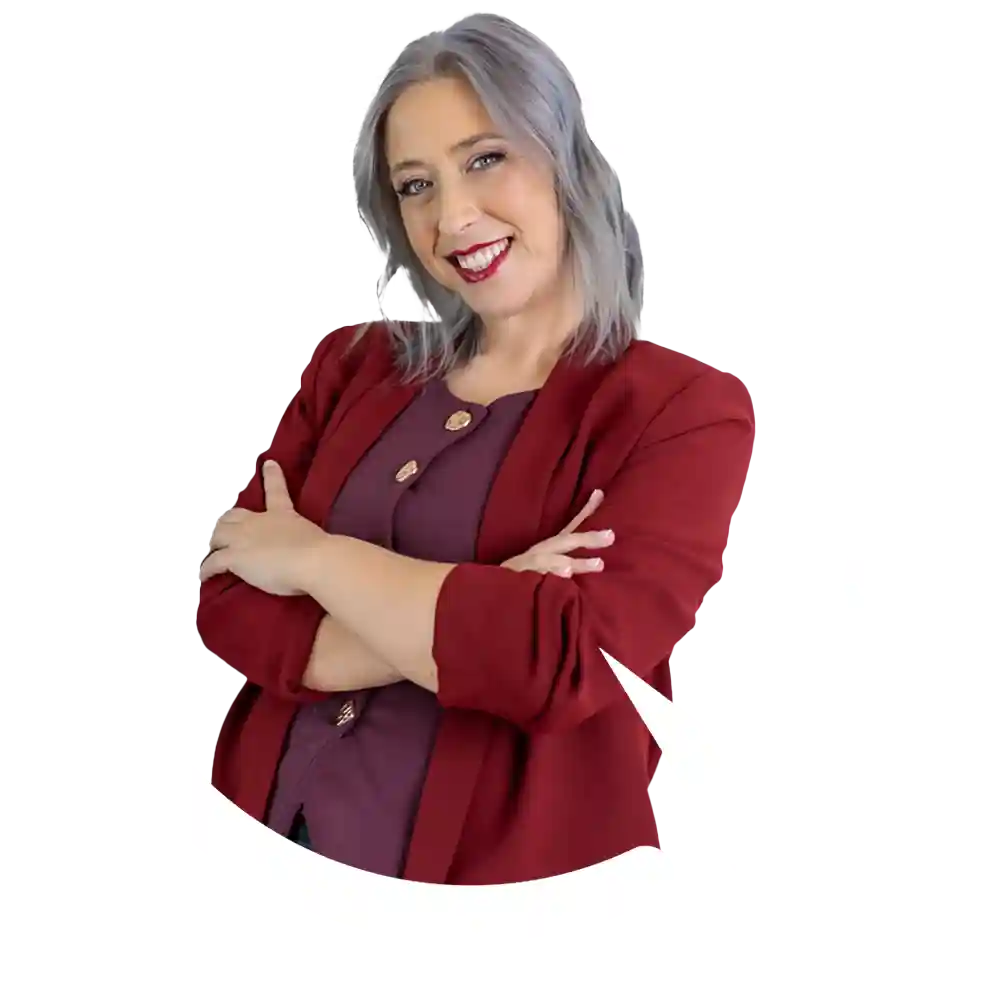
I was diagnosed with hyperactivity behavioural disorder when I was six years old. This is now recognised as attention deficit hyperactivity disorder (ADHD). Accepting this fully in my forties has enabled me to embrace these differences and develop a real interest in how learning technology, specifically generative artificial intelligence, can support these key differences.

Or as I like to call them, superpowers.

Generative AI has the potential to offer various benefits to neurodiverse individuals in several ways. So, I asked ChatGPT4 how generative AI can help people who are neurodiverse, and this is what it told me;

Communication and Language Support

  • Assistive Communication Devices: Generative models can enhance text-to-speech and speech-to-text applications, making them more accurate and adaptable for users with conditions like autism or verbal communication difficulties.
  • Social Training Simulators: AI can generate realistic conversational scenarios to help individuals with social interaction challenges, such as those with Asperger’s syndrome, to practice social cues and responses.
  • Language Tailoring: AI can adapt and modify the complexity or tone of text, making information more accessible to people with different cognitive abilities.


Educational Support

  • Personalised Learning: Generative AI can create custom learning materials, exercises, or lesson plans that cater to different learning styles and cognitive profiles.
  • Virtual Tutors: Generative models could act as intelligent, responsive tutoring systems to provide real-time academic assistance, particularly beneficial for those with ADHD or other conditions that may require specialized attention.
  • Sensory Engagement: AI can generate sensory stimuli, like sounds, images, or even tactile feedback, tailored to individuals with sensory sensitivities or differences, such as those found in autism spectrum disorders.


Mental Health and Well-being

  • Therapeutic Support: While not a replacement for a human therapist, AI-powered chatbots can offer immediate, cost-effective psychological support. This can be particularly helpful for people with anxiety disorders, depression, or other mental health conditions often found to co-occur with neurodiversity.
  • Mood Monitoring and Intervention: AI algorithms can analyse text, voice, or even biometric data to detect mood changes and offer timely interventions or coping strategies.


Accessibility

  • Natural Language Processing for Accessibility Tools: Generative AI can improve screen readers, predictive text, and other accessibility tools to make them more intuitive and versatile for people with various disabilities, including neurodiversity.
  • Customisation: AI can generate personalized user interfaces for software or websites based on an individual’s specific cognitive or sensory needs.


Creative Expression

  • Adaptive Art and Music Creation Tools: Generative AI can be tuned to accommodate the unique ways in which neurodiverse individuals may interact with creative software, making the creative process more accessible and rewarding.
  • Narrative and Storytelling: AI can help in generating story outlines, characters, or even dialogue, serving as a creative assistant for people who might find the structuring of such elements challenging.


While these applications offer promise, it’s crucial to approach them with sensitivity to ethical considerations like privacy, autonomy, and the avoidance of stigmatisation. It’s also vital to include neurodiverse individuals in the design and testing of these technologies to ensure they genuinely meet the needs and respect the rights of these populations.

(ChatGPT, Generative AI, September 7, 2023)

And that’s all good and interesting, but I’ve personally found it allows me to indulge my need to hyperfocus and what I call, ‘going down the rabbit hole’. As neurodiverse individuals we must monitor and manage this behaviour as it can be tiresome and easy to not realise the time and effort we are putting into a single focus. But rather than spending hours researching a topic on Google (which I used to do), I get the same (if not more) volume of information in seconds with the right prompt on ChatGPT4.

It’s also enables me to role play with it, set assessment questions, test theories, suggest new ideas, answer in the style of a persona, summarise books which I’ve always wanted to read but never had the concentration space to, and summarise reports and provide insight (for the same reason).

We also need a watch out as its not a silver bullet. For those of us to think in a ‘black and white’ way, it’s easy to prey at the church of AI for everything. Well known faults of current Large Language Models include bias, hallucinations (where the AI has been known just to ‘make up’ information as it has no understanding of context), and of course the opportunity for plagiarism.

Going back to the World Economic Forum, they say, it’s important to remember that developing policies to support cognitive diversity can impact, and indeed benefit, both an individuals’ general well-being and the wider economy.

These should include technologies for age-associated cognitive impairment, areas of mental health and neurological disorders, smart cities, adaptive learning, and workplace technologies.

Because by improving inclusion for people with disabilities through assistive and AI-based technologies to live active and fulfilling lives, we can help build a better society for everyone.

As a neurodivergent loving the use of AI and digital technologies, I couldn’t have said it better myself.

Have you seen my TEDx talk, ‘Reforming Education with the Digital First Mindset’ where I outline the need for immersive learning technology to develop future skills? You can catch it here.

Author: erica Farmer

SHARE THIS THOUGHT PIECE

Facebook
X
LinkedIn